Exploring Ukraine
Media Outlets
A fairly large number of Ukrainian media outlets – online, TV, radio, print – publish information about the history of Ukraine, its arts and culture, lifestyle and regional developments to support their audiences in exploring Ukraine. These media outlets offer foreigners and locals diverse information about important past and current trends in Ukraine and help them to see a fairly accurate picture of this large European country. In our collection, there are almost 20 national and local level online resources that provide information about today’s Ukraine in English.
ZN,UA
English + Ukrainian + Russian
History & Lifestyle
Art & Culture
Regions
A Ukrainian online media outlet that offers free access to all publications about Ukraine.
Please click the outlet/resource’s box to access the website (insecure links were deactivated).
Please note that some outlets/resources may have suspended all or some of their operations due to the war.
Articles
Land & Climate
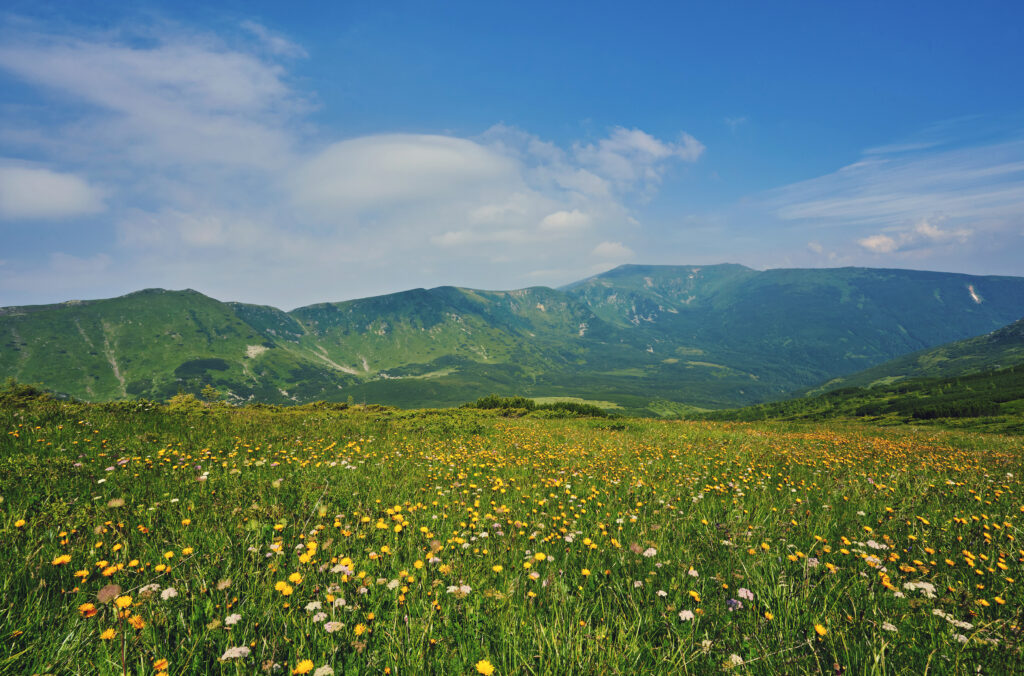
Land
By its land size, Ukraine belongs to the 50 largest countries of the world and it alone can easily take in all people living on the Earth today. Ukraine is the second largest country in Europe and its territory is large enough to accommodate any of the following country (or state) pairs:
- France and Slovakia from Europe or
- Jordan and Thailand from Asia or
- California and Missouri states from the USA (North America) or
- Paraguay and Uruguay from South America or
- Burundi and Cameroon from Africa.
In practical terms, exploring Ukraine will require a good amount of time – it will take on average about 16 hours of driving to cross Ukraine from north (Chernihiv) to south (Yalta) and about 23 hours to go from west (Uzhhorod) to east (Luhansk). Despite of its size, the country uses only one time zone, Eastern European Time.
Ukraine consists of level plains and mixed temperate forests. Water and mountainous areas account for less than 10 percent of its total area. Ukraine has a long coastline, about 2,000 km of the Black Sea coast and about 700 km of the Azov Sea coast.
Climate
Most of Ukraine has a temperate/humid continental climate. In Western and Central Ukraine, it is similar to the climate in a dozen other European countries (including Austria and Baltic states), southern parts of Ontario and Quebec provinces in Canada (North America), Japan and Kyrgyzstan (Asia). In a few eastern regions, it resembles the climate in the central USA (Illinois, Indiana, Ohio).
Southern Ukraine has an arid climate like northern China (Asia) and northern Mexico (North America). The Black Sea coastal areas in southern Crimea have humid subtropical climate like one in Georgia (Europe), the southern USA (North America), northern and central Argentina (South America).
Ukraine’s geographical location and terrain make it almost free from the major natural hazards – earthquakes and landslides, heat and cold waves, tornadoes and dust storms, heavy downpours and hail, ice storms and blizzards, riverine and coastal flooding, droughts and massive wildfires.
Ukrainian Traditional Food
Winter Holidays, Awareness & Memorial Days
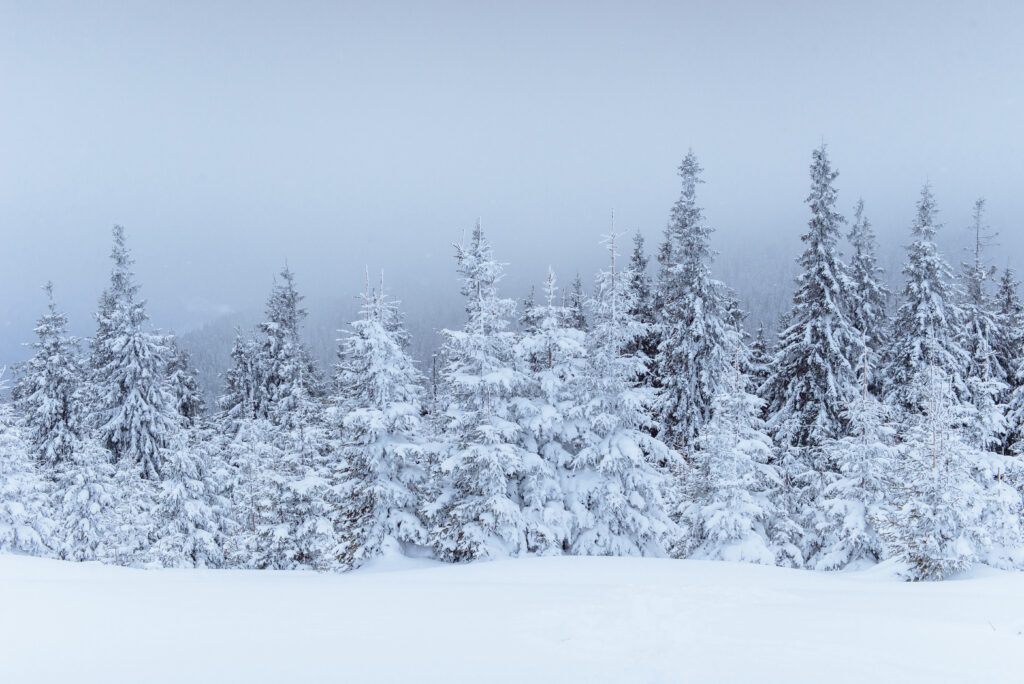
In Ukraine, winter is the time for many important pagan/neo pagan and Christian holidays and a few of those are official ones. It is the time for a good number of national and international secular holidays, too. Also, there are several awareness and memorial days, local and international ones.
Pagan/Neo Pagan & Christian Holidays

Pagan/Neo pagan holidays
There are four major winter holidays known from the pagan (pre-Christian) times (dates correspond to Gregorian and Julian calendar, respectively):
- Koliada (Winter Carol) Holiday (December 24 /January 6),
- New Year/Schedri Vechir (Generous Eve) (January 1/January 13),
- Vodosviattia (Holy Water) Day (January 6/January 19), and
- Stritennia (Meeting) Day (February 2/February 15).
Pagan holidays and related rituals have been closely linked to the Sun/Earth positions and Moon phases.
Christian holidays
In Ukraine, Christians are the largest religious group. Eastern Christians make the most of Ukrainians who practice any religion. The second largest Ukraine’s religious group is the Western Christians.
Like some other Eastern Christians and most Western Christians, Ukraine’s Orthodox Church observes three major Christian holidays (their dates are based on the Gregorian calendar) in wintertime:
- Christmas Day (December 25),
- Epiphany (January 6), and
- Candlemas Day (February 2).
Christmas Day and Epiphany commemorate important events in Jesus’s life. Many Ukrainians also celebrate St. Nicholas Day (December 6), St. Basil’s Day (January 1), and St. Valentines Day (February 14).
In addition, most Western Christians and some Eastern Christians observe two more holidays (their dates are based on the Gregorian calendar):
- Carnival (February 12)/Shrove Tuesday (February 13 in 2024), and
- Ash Wednesday (February 14 in 2024).
Carnival/Shrove Tuesday and Ash Wednesday reflect cornerstone rituals of Christianity. Many Western and some Eastern Christians also celebrate St. Nicholas Day (December 6) and St. Valentines Day (February 14).
Some Eastern Christians in Ukraine observe four major holidays in winter (their dates are based on the Julian calendar):
- Presentation of the Blessed Virgin Mary (December 4),
- Christmas Day (January 7),
- Epiphany (January 19), and
- Candlemas Day (February 15).
Two of these holidays Christmas Day (December 25) and New Year Day (January 1) have beed designated to be Ukraine’s official holidays.
Image: freepic.diller on Freepik
Secular Holidays, Awareness & Memorial Days
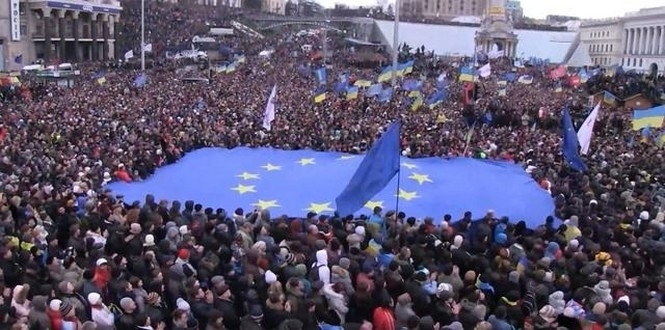
Ukraine specific holidays, awareness and memorial days
In wintertime, Ukraine has two dozen state and government related holidays and memorial days. There are four important state holidays:
- Ukraine’s Armed Forces Day (December 6),
- Sobornosti (Ukraine Reunion) Day (January 22),
- National Unity Day (February 16) and
- National Emblem Day (February 19).
In addition, there are about a dozen other state and government related holidays like State Prosecutor Day (December 1), Local Governance Day (December 7), and Court Day (December 15).
Over the last century, Ukraine’s history has got many records of tragic events and developments. Winter memorial days include:
- Donetsk Airport Defenders Tribute Day (January 20),
- Kruti’s Heroes Memorial Day (January 29),
- Heavenly Hundred Heroes Tribute Day (February 20),
- 2022 Russian Intervention Day (February 24), and
- Resistance to Crimea Occupation Memorial Day (February 26).
Four of those dates are associated with dramatic events that occurred in 2014-2022.
International holidays, awareness and memorial days
International community has set two dozen international holidays, awareness and memorial days to draw attention to important international issues and achievements. In wintertime, those are mostly focused on human rights, health care and social activism and include:
Human Rights
- International Day for the Abolition of Slavery (December 2),
- International Day of Persons with Disabilities (December 3),
- International Day of Commemoration and Dignity of the Victims of the Crime of Genocide and of the Prevention of this Crime (December 9),
- Human Rights Day (December 10),
- International Migrants Day (December 18),
- World Religion day (January 19),
- International Day of Commemoration in memory of the victims of the Holocaust (January 27),
- World Day of Social Justice (February 20), and
- International Mother Language Day (February 21);
Health Care
- World AIDS Day (December 1),
- International Day of Persons with Disabilities (December 3),
- World Braille Day (January 4),
- World Leprosy Day (January 19),
- World Cancer Day (February 4),
- World Day of the Sick (February 11), and
- Rare Disease Day (February 28-29);
Social Activism
- International Volunteer Day (December 5),
- International Anti-corruption Day (December 9),
- International Human Solidarity Day (December 10), and
- Random Acts of Kindness Day (February 17)
Industry/profession specific holidays
In winter, Ukraine has a few industry/profession specific holidays including Neurologists Day (December 1), Attorney Day (December 19), and Energy Engineer Day (December 22). In addition, there are a few international industry/profession specific holidays including Programmer Day (January 7), Customs Day (January 26), and Dentist Day (February 9).
Unofficial holidays
In addition to pagan/neopagan, religious and officially designated secular holidays, many people across the Globe including Ukrainians celebrate a few unofficial holidays like World Football Day (December 10), International Thank You Day (January 11), and International Hugging Day (January 21).
Image: www.censor.net.ua
Spring Holidays, Awareness & Memorial Days
In spring, Ukrainians observe many important pagan/neo pagan and Christian holidays. A few of those are official ones. It is also the time for a good number of national and international secular holidays. In addition, there are several awareness and memorial days, local and international ones.
Pagan/Neo Pagan & Christian Holidays

- Sorochini/Larks (March 9),
- Velikden (Big Day, March 21),
- Radunitsia/Provodi (Farewell) (March 30),
- Velesova (Veles) Night (April 30), and
- Spring Makosha (May 9).
- the Annunciation (April 7),
- the Entry into Jerusalem/Willow Sunday (April 9),
- the Resurrection of Jesus (Pascha/Easter) (April 16 in 2023), and
- the Ascension of Christ (May 25).
- the Annunciation (March 25),
- the Entry into Jerusalem/Palm Sunday (April 2 in 2023),
- the Resurrection of Jesus (Pascha/Easter) (April 9 in 2023),
- the Ascension of Christ (May 18), and
- Pentecost (May 28).
Image from www.delikates.ua
Secular Holidays, Awareness & Memorial Days
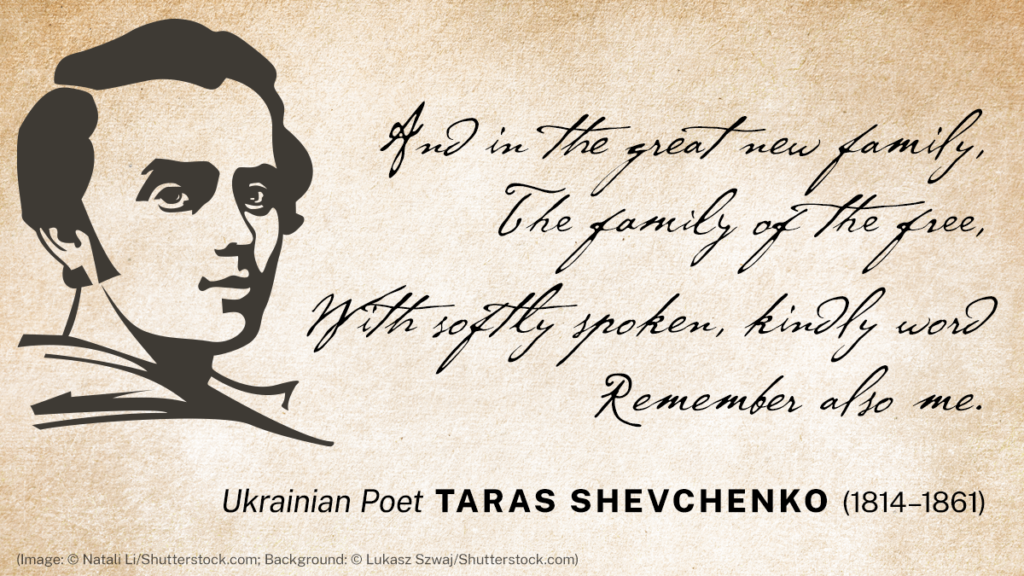
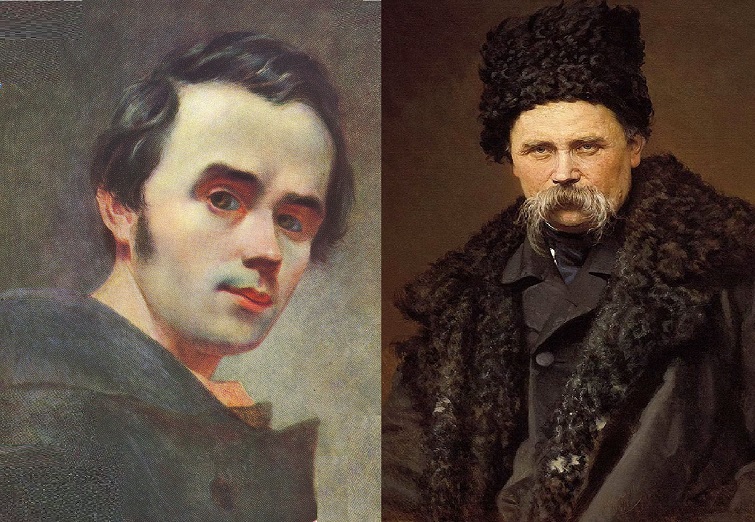
- Taras Shevchenko Birthday (March 9),
- Ukraine’s Volunteer Day (March 14),
- Chornobyl Remembrance Day (April 26),
- Remembrance & Reconciliation Day (May 8),
- Victory Day (May 9),
- Crimean Tatars’ Genocide Memorial Day (May 18),
- Day of Remembrance of Victims of Political Repression (May 21 in 2023),
- Day of Heroes (May 23), and
- Slavic Culture Day (May 24).
- Zero Discrimination Day (March 1),
- International Women’s Day (March 8),
- International Day for the Elimination of Racial Discrimination (March 21),
- World Press Freedom Day (May 3), and
- African Liberation Day (May 25);
- World Kidney Day (March 9),
- World Glaucoma Day (March 12),
- World Down Syndrome Day (March 21),
- World Tuberculosis Day (March 24),
- World Autism Awareness Day (April 2),
- World Health Day (April 7),
- World Malaria Day (April 25), and
- World No-Tobacco Day (May 31);
- World Wildlife Day (March 3),
- International Day of Forests (March 21),
- World Water Day (March 22),
- International Day of Zero Waste (March 30), and
- International Mother Earth Day (April 22);
- International Writers’ Day (March 3),
- World Poetry Day (March 21),
- World Theater Day (March 27),
- International Day of Monument and Sites (April 18), and
- World Book & Copyright Day (April 23).
Taras Shevchenko: A Few Facts